Harmonized System (HS) definition
The Harmonized System, adopted worldwide, standardizes tariff codes and trade reporting for nearly all internationally traded products.
The Harmonized Commodity Description and Coding Systems, generally referred to as the Harmonized System or HS, is an international product nomenclature developed by the World Customs Organization (WCO). The HS contains about 5,000 commodity groups, each identified by a six-digit code, with specific rules to enable uniform classification.
The Harmonized System is used by more than 200 countries as the basis for their customs tariffs and international trade statistics. More than 98% of internationally traded merchandise is classified in the Harmonized System.
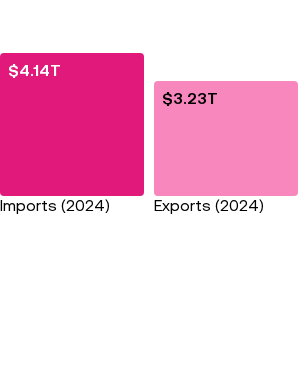
What is the Harmonized Tariff Schedule?
While the Harmonized System is the global classification system for goods, providing standardized codes for international trade, the Harmonized Tariff Schedule (HTS) is the US-specific version that assigns tariff rates and statistical categories to imports based on those HS codes.
HTS is maintained by the US International Trade Commission (ITC) and administered at ports of entry by Customs and Border Patrol (CBP). Importers and customs brokers refer to the Harmonized Tariff Schedule to correctly categorize and declare goods coming into the US. CBP makes the final determination as to the amount of tariffs due at the port of entry.
What is an HS code?
An HS code is a standardized, internationally recognized numeric code used to classify products in global trade, helping governments set tariffs, collect trade data, and enforce regulations.


