Government spending bill definition
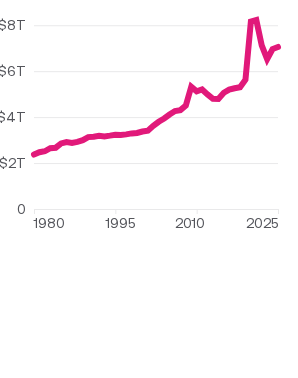
A government spending bill, or appropriations bill, gives federal agencies permission to spend money for specific purposes and is passed each year.
A government spending bill is legislation that gives federal agencies the authority to spend money for specific purposes. These bills usually cover one fiscal year and must be passed annually to keep the government running.
Government spending bills are officially known as appropriations bills.
Who writes the government spending bill?
Government spending bills are drafted in Congress, mainly by the House and Senate Appropriations Committees. These committees determine how much money is allocated to each department and program.
How does a spending bill become law?
At the start of each fiscal year, the president submits a budget proposal to Congress.
The House and Senate Appropriations Committees consider, refine, and draft appropriations bills based on the budget, proposing which federal agencies receive funding and how much. There are usually 12 separate annual appropriations bills, but Congress may also roll some or all of them into one, called an omnibus bill.
The full House and Senate debate, amend, and vote on their respective versions of the appropriations bills. Then they compare the two bills, reconcile differences, and pass identical versions. Ideally, this happens before October 1 — the first day of the government’s fiscal year.
Finally, the spending bill goes to the president for approval or veto. If the president vetoes, Congress can override it with a two-thirds vote in both chambers.
What happens if the budget fails?
If Congress fails to pass spending bills by October 1st, one of two things will happen:
- Congress passes a continuing resolution authorizing temporary funding to keep the government operating at current levels.
- A government shutdown happens. Without funding authorization, non-essential government services stop operating, federal employees are furloughed, and many government offices close. Critical functions like national security, air traffic control, and Social Security payments typically continue.


