Fiscal policy definition
US fiscal policy is how the government uses taxes and spending to guide economic growth, jobs, and inflation.
US fiscal policy is the sum of all the federal government decisions on how spending and taxation should influence economic growth, employment, and inflation. It involves decisions on how much money the government collects (through taxes) and how much it spends (on programs, services, and infrastructure).
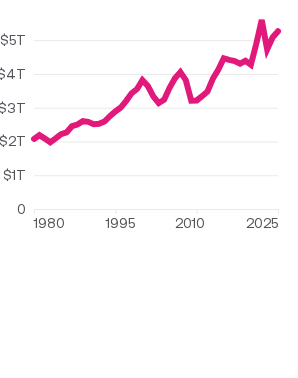
Fiscal policy can either move against the economic fluctuations (countercyclical) or with them (procyclical):
- In a countercyclical approach, the government spends more or cuts taxes to boost growth during recessions, and spends less or raises taxes to cool things down when the economy is overheating.
- In a procyclical approach, the government does the opposite, which can worsen recessions and fuel inflation during booms.
Fiscal policy is separate from monetary policy, which is managed by the Federal Reserve (often referred to as the Fed) and focuses on interest rates and the money supply to stabilize prices, employment, and growth.
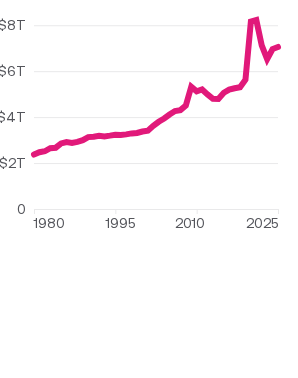
Who controls fiscal policy?
Fiscal policy is set by Congress and the president. The president, through the Office of Management and Budget (OMB), submits an annual budget request and signs or vetoes the legislation that creates the budget. Congress writes and passes tax laws and spending bills.
Together, they set the overall direction of fiscal policy, while agencies like the Treasury carry out the actual revenue collection.


