Federal Employee Assistance Programs (EAP) definition
A federal EAP offers voluntary, confidential support for personal or workplace concerns, providing counseling, referrals, and guidance.
Published Feb 25, 2026by the USAFacts team
A federal Employee Assistance Program (EAP) provides employees with free, confidential support for dealing with both personal or job-related issues.
EAPs are voluntary and are meant to help with a range of concerns: stress, grief, family issues, substance use, mental health. They may also advise managers on employee or organizational challenges and assist with preventing or responding to workplace trauma. Services can include assessments, short-term counseling, referrals, and follow-up care.
Federal employment
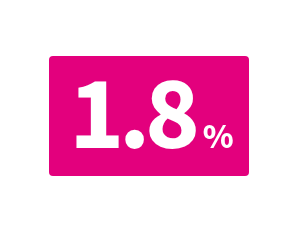
As of January 2026, 1.7% of jobs in the US were in the federal government.
What do EAPs help with?
Federal EAP programs generally include:
- Mental health services: Employees can speak confidentially with licensed counselors for support with either personal or work-related concerns, and access resources like mindfulness support and referrals for ongoing care.
- Financial and legal services: Employees can get help with things like wills, housing, budgeting, and retirement planning. An EAP can also connect them with professionals who can deal with more complex needs.
- Dependent care services: Employees can get help finding quality care for children, elders, or other dependents, and access parenting resources and lactation support at work.
- Workplace conflict resolution services: Employees and managers have access to mediation, training, and resources for improving communication and resolving workplace conflicts.
- Substance use treatment services: Employees can receive referrals and support for coping with drug or alcohol use, including resources for recovery.
- Crisis intervention services: Employees can access immediate help after traumatic events affecting their mental, emotional, or physical well-being, including training and counseling for crisis management and violence prevention.

